
The Essential Connection Between Oral Health and Overall Wellbeing
Good oral health is often seen as just a matter of having a bright smile or fresh breath. Yet, the truth is that oral health and overall health are deeply connected. Problems in your mouth can signal or even contribute to serious health issues elsewhere in your body. Understanding this link helps you take better care of yourself and avoid complications that go beyond cavities and gum disease.
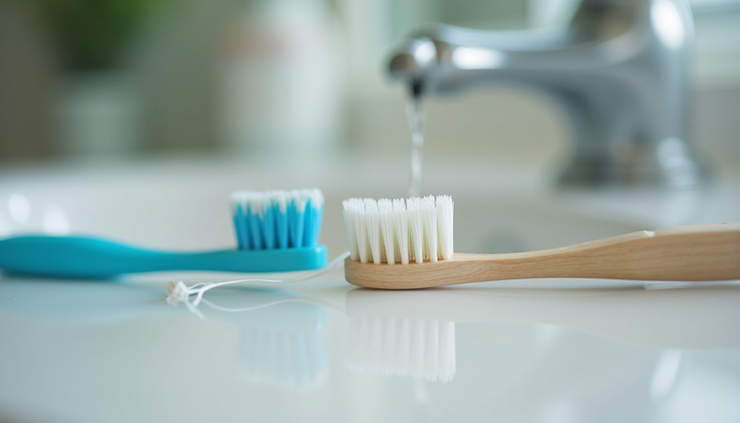
How Oral Health Affects the Body
Your mouth is a gateway to your body. It hosts millions of bacteria, some helpful and some harmful. When oral hygiene slips, harmful bacteria can multiply and cause infections like gum disease (periodontitis). This inflammation does not stay confined to the mouth. Research shows it can increase the risk of:
Heart disease: Bacteria from inflamed gums can enter the bloodstream, contributing to clogged arteries and heart problems.
Diabetes: Gum disease can make it harder to control blood sugar, worsening diabetes symptoms.
Respiratory infections: Inhaling bacteria from the mouth can lead to lung infections such as pneumonia.
Pregnancy complications: Poor oral health is linked to premature birth and low birth weight.
These examples highlight why oral health and overall health must be managed together.
Signs Your Oral Health Needs Attention
Many people ignore early signs of oral problems, thinking they are minor or temporary. Watch for these symptoms that may indicate a deeper health issue:
Bleeding or swollen gums
Persistent bad breath
Loose or sensitive teeth
Mouth sores that do not heal
Pain when chewing or swallowing
Ignoring these signs can allow infections to worsen and affect your general wellbeing.
Practical Steps to Protect Both Oral and Overall Health
Maintaining good oral health is one of the simplest ways to support your whole body. Here are effective habits to build:
Brush twice daily with fluoride toothpaste to remove plaque.
Floss daily to clean between teeth where brushes can’t reach.
Visit your dentist regularly for checkups and professional cleanings.
Avoid tobacco products, which increase risk of gum disease and oral cancer.
Eat a balanced diet rich in fruits, vegetables, and whole grains to support immune function.
Limit sugary snacks and drinks that feed harmful bacteria.
By following these steps, you reduce the risk of oral infections and their impact on your overall health.

The Role of Regular Dental Visits
Regular dental visits do more than keep your smile bright. Dentists can detect early signs of systemic diseases that show symptoms in the mouth. For example:
Diabetes may cause dry mouth or gum infections.
Osteoporosis can lead to bone loss in the jaw.
Vitamin deficiencies might appear as mouth sores or inflammation.
Early detection through oral exams allows for timely medical referrals and better health outcomes. This makes dental visits a vital part of your overall health care routine.
How Chronic Conditions Affect Oral Health
The relationship between oral health and overall health goes both ways. Chronic illnesses can also impact your mouth. For instance:
Diabetes increases the risk of gum disease and slows healing.
Autoimmune diseases like lupus can cause dry mouth and ulcers.
Medications for various conditions may reduce saliva flow, leading to tooth decay.
Understanding these effects helps you manage your oral care more carefully if you have ongoing health issues.
Oral Health and Mental Wellbeing
Oral health influences more than physical health. It also affects confidence, social interactions, and mental wellbeing. Pain or embarrassment from dental problems can lead to anxiety and depression. Taking care of your mouth supports a positive self-image and better quality of life.
Summary
Oral health and overall health are closely linked. Problems in your mouth can signal or worsen conditions throughout your body. Maintaining good oral hygiene, eating well, avoiding tobacco, and visiting your dentist regularly are key to protecting your whole body. Pay attention to signs like bleeding gums or persistent mouth pain and seek care promptly. By caring for your oral health, you build a foundation for lasting overall wellbeing.


Comments